What are small yachts, their advantages, and how to choose the right model?
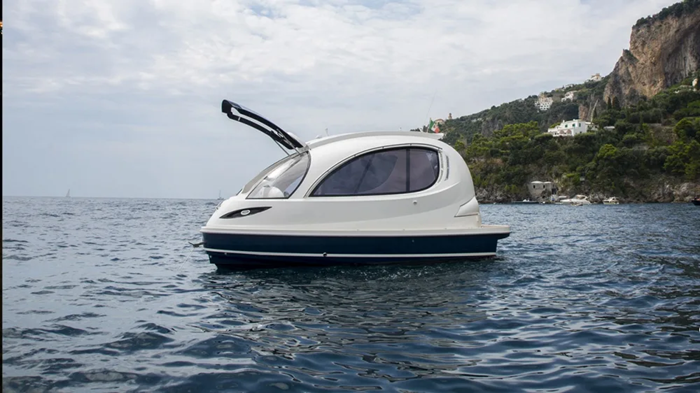
Small yachts are compact sailing or motor vessels designed for recreation, cruising, fishing, and short trips along the coast or inland waters. They are valued for their ease of handling, moderate maintenance costs, and the ability to quickly “get started” in yachting without having to master the complex infrastructure of larger vessels.
The small yacht category typically includes yachts that are comfortably operated by a small crew and do not require a large number of service personnel. Even a small hull can include a cabin, galley, bathroom, and storage space, making these vessels convenient for weekend getaways or day trips.
Concept and Main Types
There is no precise universal definition of length yachtcharteradvisor.com: classifications depend on the country, registration regulations, and intended use. In practice, small yachts are often considered vessels focused on maneuverability and simplicity rather than ocean-going endurance.
Small Sailing Yachts
Sailing models are chosen for their lively feel, fuel efficiency, and sporty character. They are especially suitable for lakes, reservoirs, and coastal areas with predictable weather. For a beginner, a clear sail plan, serviceable rigging, and the ability to reef the sails are important.
Small Motor Yachts
Motor yachts offer predictable speed and independence from the wind. They are convenient for family outings, fishing, and routes with frequent stops. When choosing, consider fuel consumption, noise level, service access, and propulsion type (outboard/inboard).
Cabin Boats and Day Cruisers
An intermediate format for those seeking daytime performance and basic comfort: shelter from the elements, sleeping accommodations for 1-2 nights, a compact table, and a minimal galley. Such vessels often become a first “home on the water,” especially if the trips are planned to be short and regular.
What constitutes a small yacht class: hull length, displacement, and limitations
The small yacht class typically includes yachts that remain “light” in size and weight: they are easier to store, maintain, transport, and moor, and are also more suitable for short-term trips and coastal cruising.
The key criteria for determining whether a yacht is classified as a small yacht are hull length and displacement. In practice, draft, beam, engine/rig type, and infrastructure requirements (trailer, crane, marina space) are additionally taken into account.
Key Guidelines and Practical Limitations
There is no single “law” with a single digit for all countries and registries, so it is more accurate to speak of ranges. In everyday life and practical terms, a small yacht is considered one that can be operated by a small crew and does not require complex port logistics.
When choosing, it is important to remember the limitations of the small class, which directly follow from the size:
- Seaworthiness and comfort: smaller weight and length mean greater influence of waves and wind, more cramped cabin and cockpit.
- Endurance: limited volumes of water, fuel, provisions, and space for equipment.
- Carrying capacity: excess weight (passengers, luggage, additional equipment) significantly affects trim, draft, and dynamics.
- Infrastructure: there is not always a gain in logistics – for example, a keelboat is more difficult to transport on a trailer than a Centerboard/lift-keelboat.
- Legal and operational requirements: Registration, licenses, life-saving equipment requirements, and cruising area depend not only on the length but also on the vessel’s category/certification.
Summary: The small yacht class primarily includes yachts with a hull length of approximately 5–10 meters and moderate displacement, designed for small crews and relatively simple operation. When choosing a small yacht, balance the desired cruising area and comfort with objective limitations on reserves, load, and seaworthiness: the smaller the hull, the more careful the compromise between mobility and capabilities must be.