An overview of garage door options, installation requirements, and guidelines for reliable operation
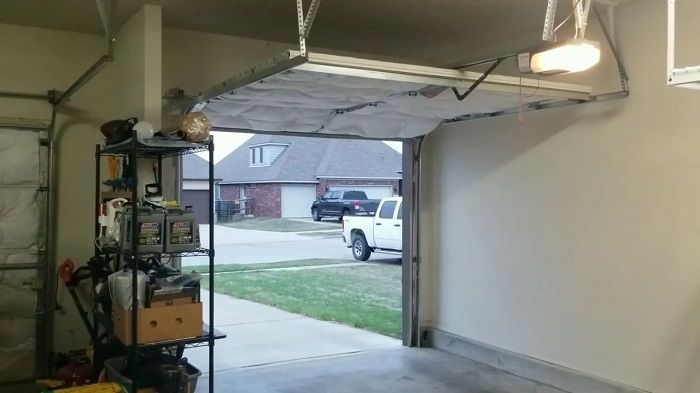
Choosing a garage door is an important step in ensuring the safety, convenience, and aesthetics of your home. Today’s market offers a wide range of door types, including sectional, luxury, and sliding models, each with its own features and installation requirements. Proper selection and high-quality installation of garage doors ensures long-lasting performance and reliable protection of your property.
When choosing a garage door, consider factors such as the material, control mechanism, and compliance with technical requirements. Consult with professionals for installation to ensure compliance with all safety standards and a guaranteed longevity. Looking for the best garage doors Calgary? Professional consultations will help you choose the best option and ensure the highest quality installation.
Classification of Garage Door Designs: Features and Advantages of Different Types
Let’s look at the main types of garage doors, their features, and advantages. Among the most popular designs are sectional, swing, roller, and louvered doors. Each has its own advantages and disadvantages, allowing you to choose the best option for any property.
Types of Garage Doors by Opening Mechanism
- Sectional doors consist of several horizontal panels that move up and down on guides. They offer high levels of thermal insulation, good air tightness, and ease of operation. Their compact design makes them well-suited for modern architectural solutions.
- Swing doors are a classic option, opening outward or inward like doors. Their advantage is their simple design and low cost. However, they require space in front of the garage to open.
- Roller doors roll up into a cylinder when opened, saving space at the entrance. They are easy to operate with automatic drives, offer a high level of burglar protection, and require little maintenance.
- Louvred gates – consist of individual panels fixed horizontally and can be opened partially or fully. This type is suitable for industrial facilities and those with high ventilation.
Features and advantages of different types of designs
- Materials: The most common material is metal (steel, aluminum), as well as wood and PVC. Metal gates are durable and long-lasting, while wooden gates offer a more aesthetically pleasing appearance but require more careful maintenance.
- Automation mechanism: Most modern gates are equipped with automatic drives, which significantly facilitates operation and increases ease of use. Manual doors remain a popular choice when there is no electricity or when budget constraints exist.
- Advantages: Sectional doors provide excellent thermal and sound insulation, roller doors offer compactness and safety, swing doors offer simplicity and accessibility, and louvered doors offer ventilation and visibility.
Technical Requirements for Materials and Mechanisms for Durable Installation
Below are the key requirements for materials and mechanisms to ensure the durability of garage doors:
Basic Technical Requirements
- Corrosion Resistance: The materials used must have high corrosion resistance, especially when used in high-humidity conditions or near the sea. Aluminum alloys, galvanized steel, or stainless steel are used to protect metal components.
- Durability and wear resistance: Materials and mechanisms must withstand mechanical stress and frequent use without losing their properties. Particular attention is paid to hinges, rollers, and springs.
- Thermal and Sound Insulation: To improve operating comfort, it is recommended to use thermal insulation materials and sound-insulating inserts compatible with the main structural elements.
- Mechanism Compatibility: All components must be harmoniously combined, ensuring smooth and quiet gate movement, as well as ease of maintenance and repair.
- Environmental Safety: Materials must be environmentally friendly and not emit harmful substances during operation.
Recommendations for Selecting Materials and Mechanisms
- Give preference to certified materials and components from trusted manufacturers.
- Ensure the correct combination of elements: using compatible mechanisms guarantees a longer service life of the gate.
- Conduct regular preventive maintenance and technical inspections Mechanisms.
Meeting technical requirements for materials and mechanisms when installing garage doors is a key factor in their durability, reliability, and safety. Corrosion resistance, mechanical strength, compatibility of elements, and environmental safety. Compliance with these requirements helps reduce the risk of breakdowns, improve safety, and ensure comfortable use of the gate for many years to come.