Rules and tips for applying high-quality plaster to walls
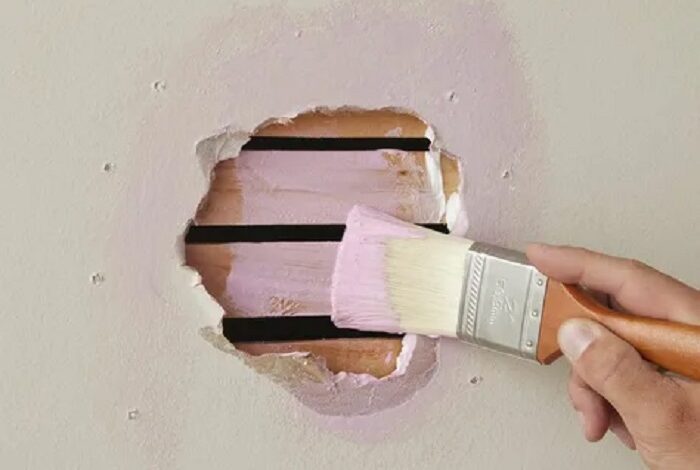
Plastering walls is an important stage of renovation, not only improving the surface’s appearance but also ensuring its durability. Proper execution of the work requires knowledge of the process, preparation, and application rules, which is especially important for renovation Edmonton.
Following basic recommendations and adhering to the correct procedures allows you to achieve a perfectly smooth and reliable finish. In this article, we’ll cover key rules and tips to help you perform high-quality plastering yourself and avoid common mistakes.
Choosing the Optimal Mix for Different Substrate Types
When preparing to plaster walls, it’s important to select the correct mix based on the substrate type. This ensures strength, durability, and good adhesion of the applied layer. Incorrectly selecting the correct mix can lead to peeling, cracking, or poor surface quality.
Before starting work, it is recommended to assess the condition and type of wall: concrete, brick, drywall, or wood. Each material requires its own approach and specific additives to the mixture to achieve the best results.
Specifics of Selecting a Mix for Different Substrates
- For concrete and brick walls, it is recommended to use cement mixtures with the addition of gypsum or lime to improve adhesion and compaction. Good adhesion is essential, so the surface must be cleaned of dust and old layers.
- Ready-made gypsum mixtures or special gypsum plaster with good adhesion and easy application are suitable for drywall. Minimal water consumption is essential to prevent material deformation.
- For wooden surfaces, use gypsum-based mixtures or special decorative compounds, after pre-treating the surface with an antiseptic. It’s important to remember that wood is prone to expansion and contraction, so mixtures must have some elasticity.
Mixture Application Techniques for a Uniform and Durable Surface
The choice of application method depends on the type of mixture, surface area, and desired result. Let’s look at the basic techniques and recommendations for their implementation.
Basic Plaster Application Techniques
- Wet Method (Stickering) – Used for applying a rough layer. The mixture is distributed over the surface using a straightedge or trowel, evenly spreading it along the walls.
- Mechanized Application – Using specialized machines for automatically rolling and distributing the mixture. Provides a quick and uniform layer, suitable for large-volume jobs.
- Manual Application with a spatula and trowel – A classic method that allows for control of layer thickness and coating quality. Requires accuracy and experience.
Application Technique Recommendations
- Surface Preparation – Before application, ensure the walls are clean, even, and damp.
- Temperature and Humidity – Optimal application conditions: 5-30°C, humidity no higher than 70%.
- Layer Thickness – Apply no more than 1-2 cm per layer to avoid cracks and delamination.
- Working with Beacons and a Level – Use beacons and a level to check the horizontal and vertical alignment of the layer.
- Finished Leveling – After application and drying, level the surface with a straightedge or float to achieve a smooth surface.
Summary
When applying plaster, it is important to follow the correct technique and choose the appropriate method depending on the task and working conditions. Constantly monitoring the layer thickness, surface evenness, and temperature control will ensure a smooth and durable wall. Following these rules and tips will help you achieve a professional result and a long-lasting finish.